Lists allow you to populate autocomplete, select, radio, checkbox, and checklist form elements with a reusable set of options.
Lists work in a similar way to Dynamic Lists, but they can be created directly in the OneBlink platform and do not require an API.
TABLE OF CONTENTS
- Custom Lists
- Freshdesk Fields
- Lists Menu
- List CSV Example
- Always Display Option
- Dynamic Lists
- List Images
- SharePoint List Column
- Salesforce Picklist
- Getting Help
Custom Lists
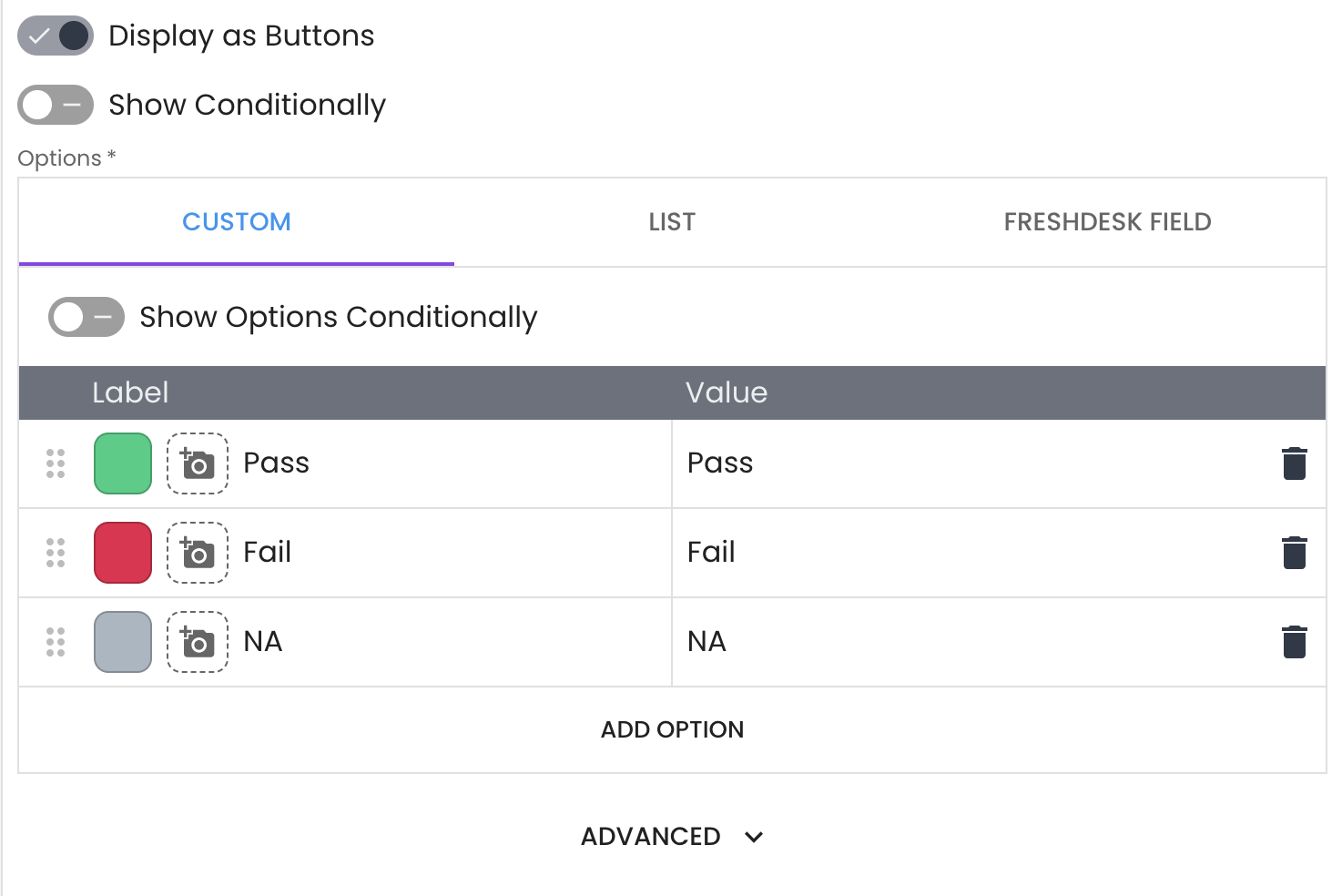
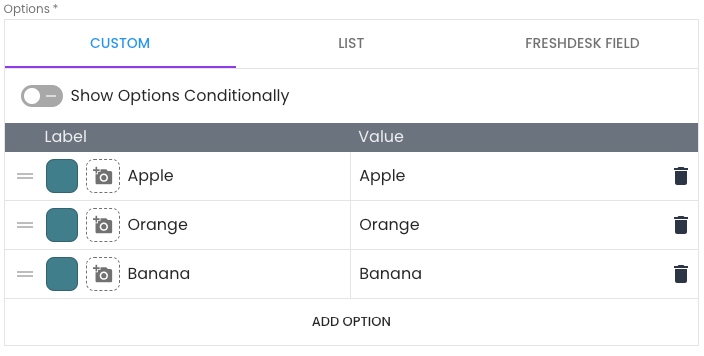
Custom Lists can be created directly in a form for radio button, checkbox, select, autocomplete, and checklist elements.
Each option requires a label and a value. If the options are displayed as buttons, you can also add a colour or image to checkbox and radio button options.
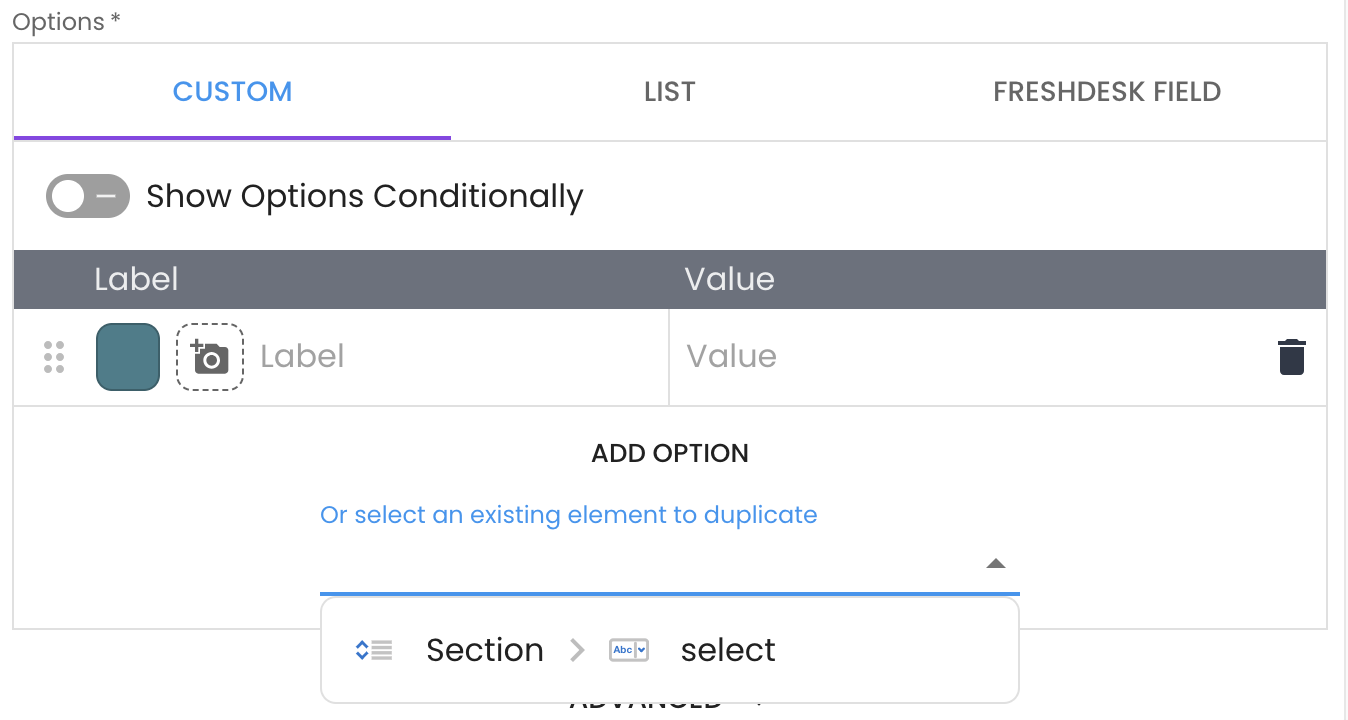
Once a Custom List has been added to an element, it can be duplicated to other elements.
Freshdesk Fields
Instead of manually entering list options, you can pull options from your Freshdesk integration.
For more information, refer to the Freshdesk Integration article.
Lists Menu
To create a predefined list of options, open Advanced Tools and select Lists.
Lists created from the Lists menu can be reused across multiple forms. If the list is updated, all forms using that list will automatically use the updated options.
When creating a list, you can either manually add the options or upload a CSV file.
To copy a list to another environment, select the Copy to Environment button. A checklist of available environments will appear. Select the environments you want to copy the list to, then select Copy.
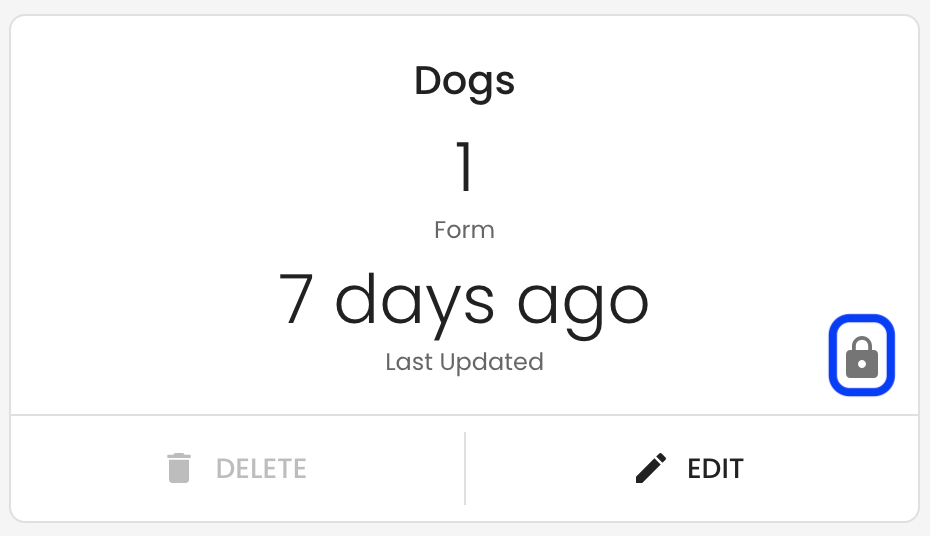
If a list is used in a Private form, the list will only be accessible to authenticated app users. If a list is used in a Public form, it can be accessed by any form or app user without authentication.
You can check whether a form is Private or Public by viewing the icon in the bottom-right corner of the List card.
List CSV Example
A CSV example is attached to the original article.
When uploading a CSV file, ensure the first two columns are labelled label and value.
You can also include a colour column. For example:
| label | value | colour |
|---|---|---|
| Pass | pass | #22b32e |
| Fail | fail | #e63250 |
| N/A | na | #929292 |
After uploading the CSV file, you can also add images to the list.
Always Display Option
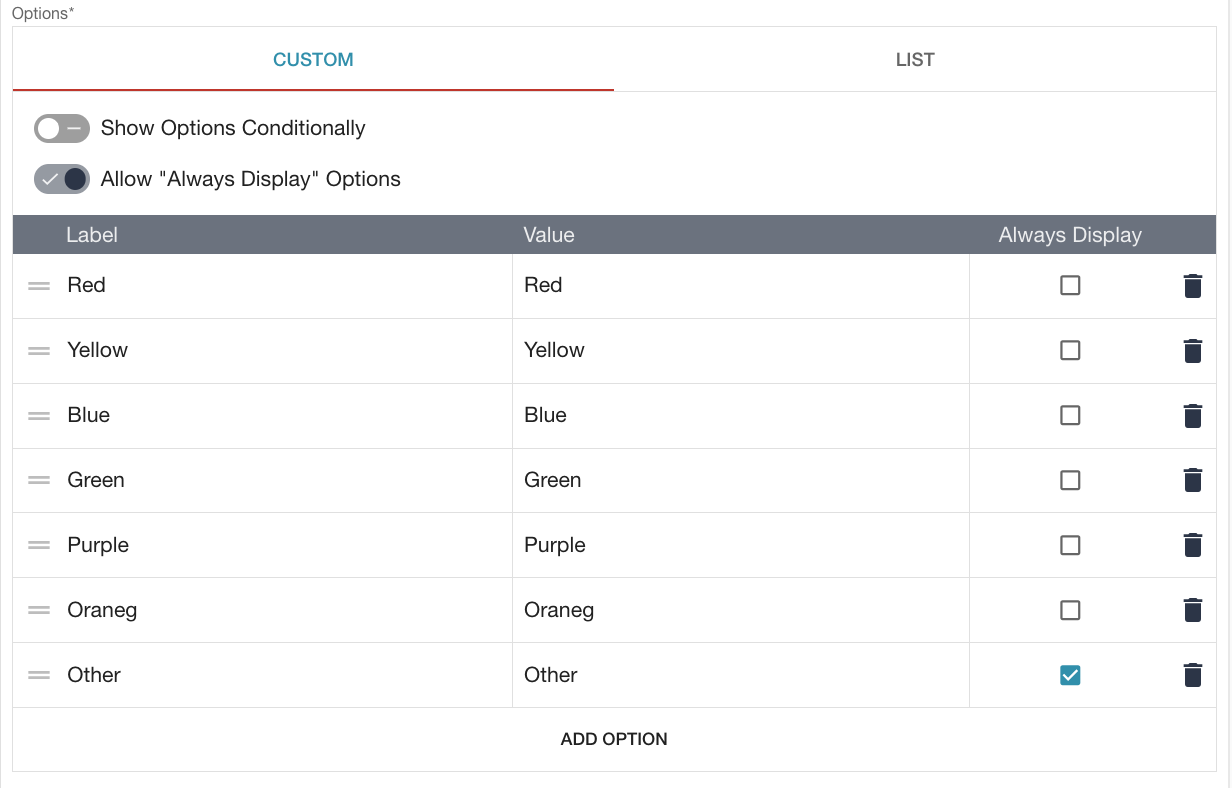
For Autocomplete elements, you can use the Show "Always Display" option to keep specific options visible regardless of what the user types into the input.
When this setting is enabled, an additional configuration will appear in your options. Use this configuration to choose which options should always be displayed.
Dynamic Lists
If you want to pull list options from an external source of truth, refer to the Dynamic Lists article.
List Images
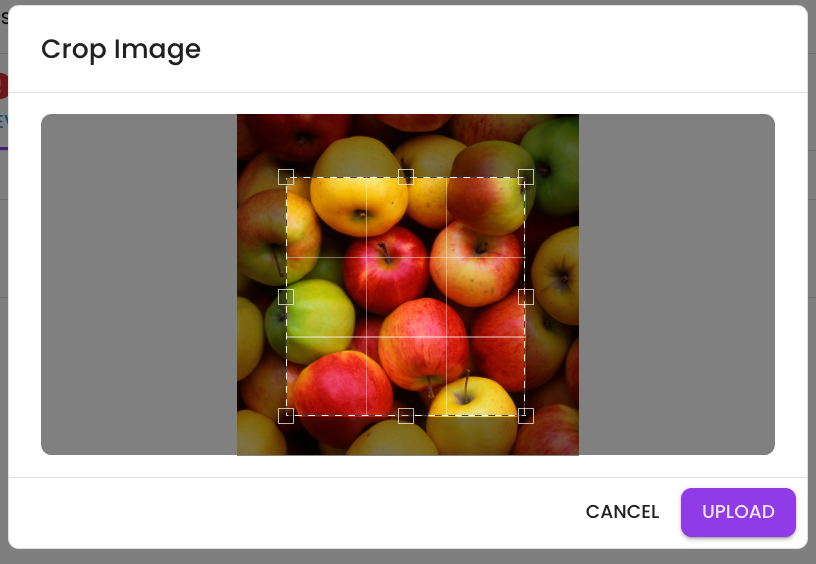
When displaying a list as buttons, you can upload an image to a list option. The image upload option appears as a camera icon next to the colour selector.
You can crop and resize the image before uploading it. The uploaded image will appear as a thumbnail when the form is used.
SharePoint List Column
For more information about SharePoint integrations, refer to the SharePoint article.
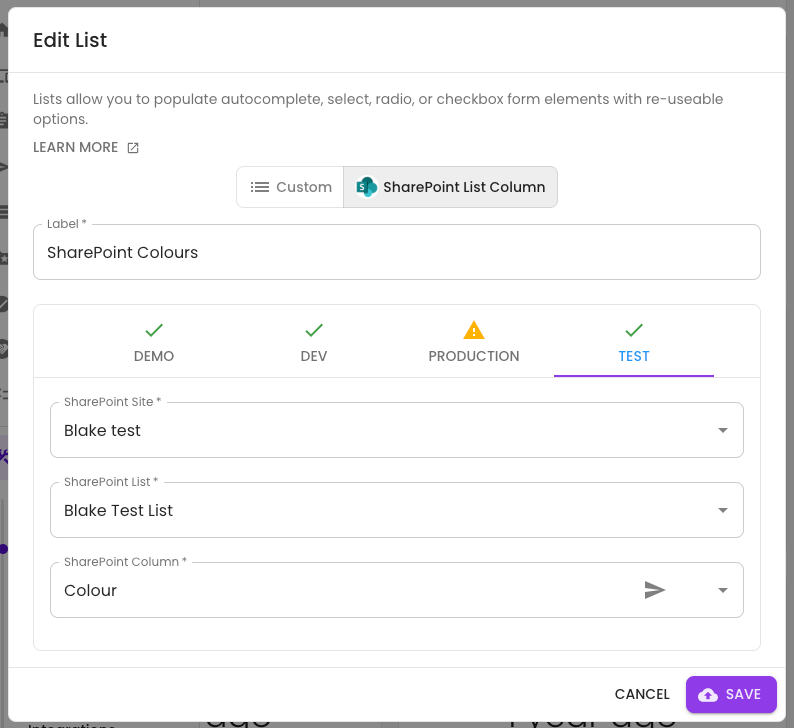
If you are using a SharePoint integration to capture form data in a SharePoint List, you can use the SharePoint List Column integration to allow form users to populate a SharePoint List Choice column.
To configure a SharePoint List Column list:
Step 1: Select the SharePoint Site.
Step 2: Select the SharePoint List.
Step 3: Select the SharePoint Choice column you want users to populate.
Step 4: Test the integration by selecting the text button in the SharePoint Column input.
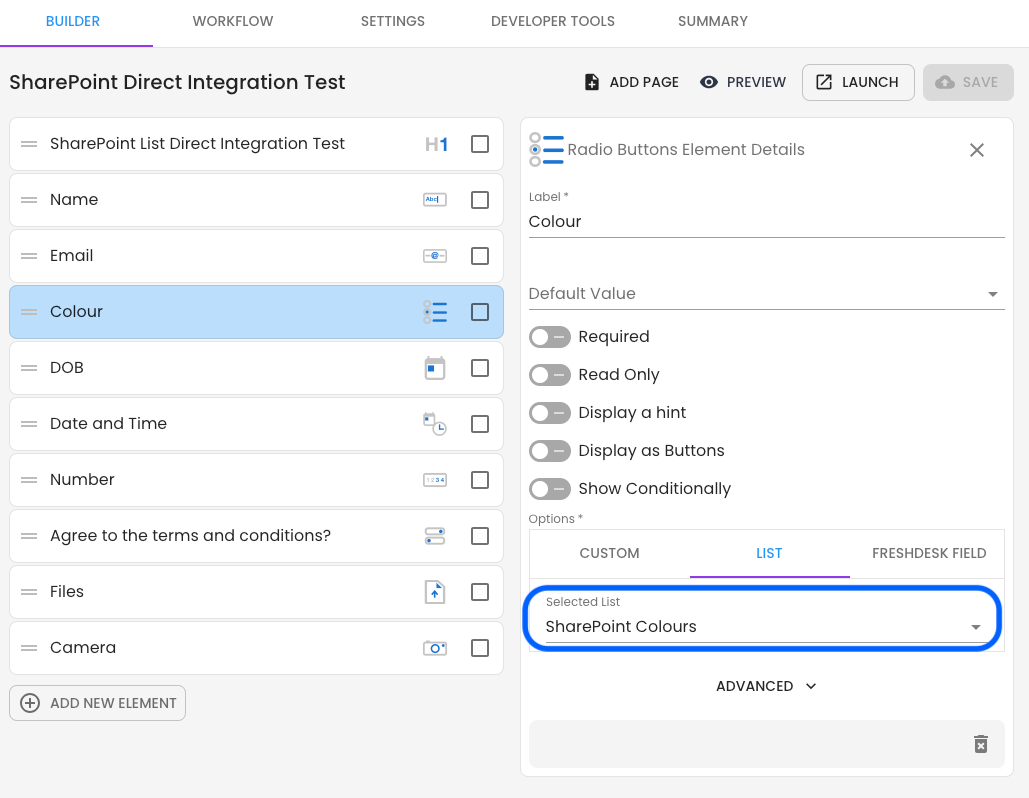
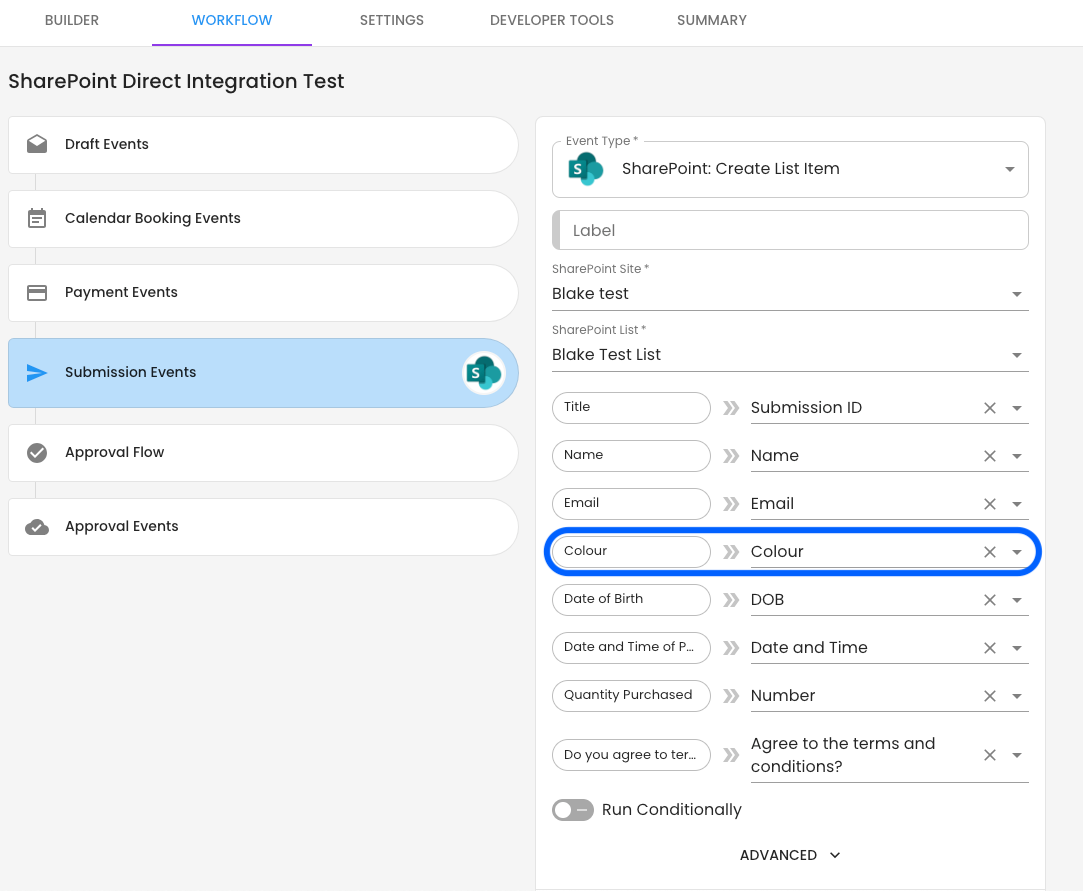
Once the SharePoint list is configured, it will work like any other list. You can assign it to user-select elements in the form and map the form element to your choice column in the SharePoint: Create List Item workflow event.
Salesforce Picklist
For more information about Salesforce integrations, refer to the Salesforce Integration article.
If you are using a Salesforce integration to capture form data in a Salesforce object record, you can use the Salesforce Picklist integration to allow form users to populate an object picklist field.
To configure a Salesforce Picklist list:
Step 1: Open the Lists menu in the Advanced Tools section of the side menu.
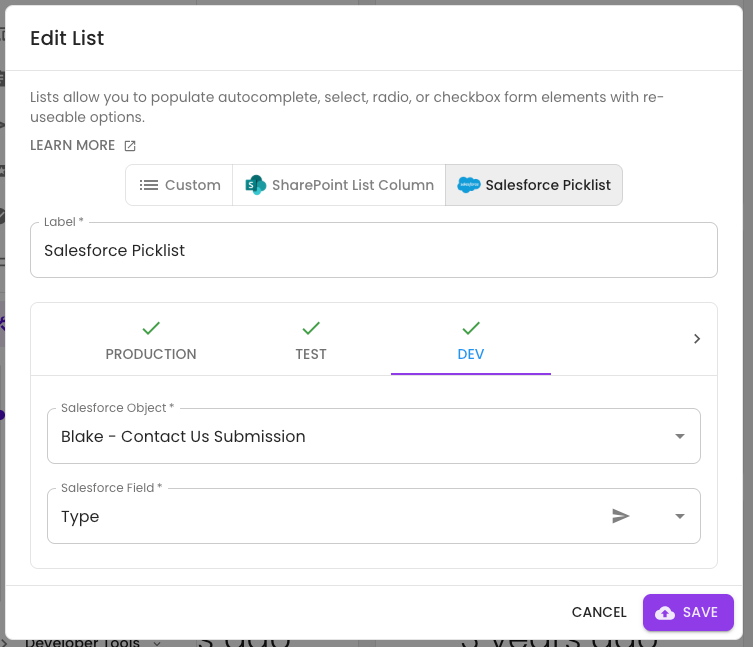
Step 2: Create a new list and select Salesforce Picklist.
Step 3: Select the Salesforce object.
Step 4: Select the Salesforce Picklist field.
Step 5: Test the integration by selecting the text button in the Salesforce Field input.
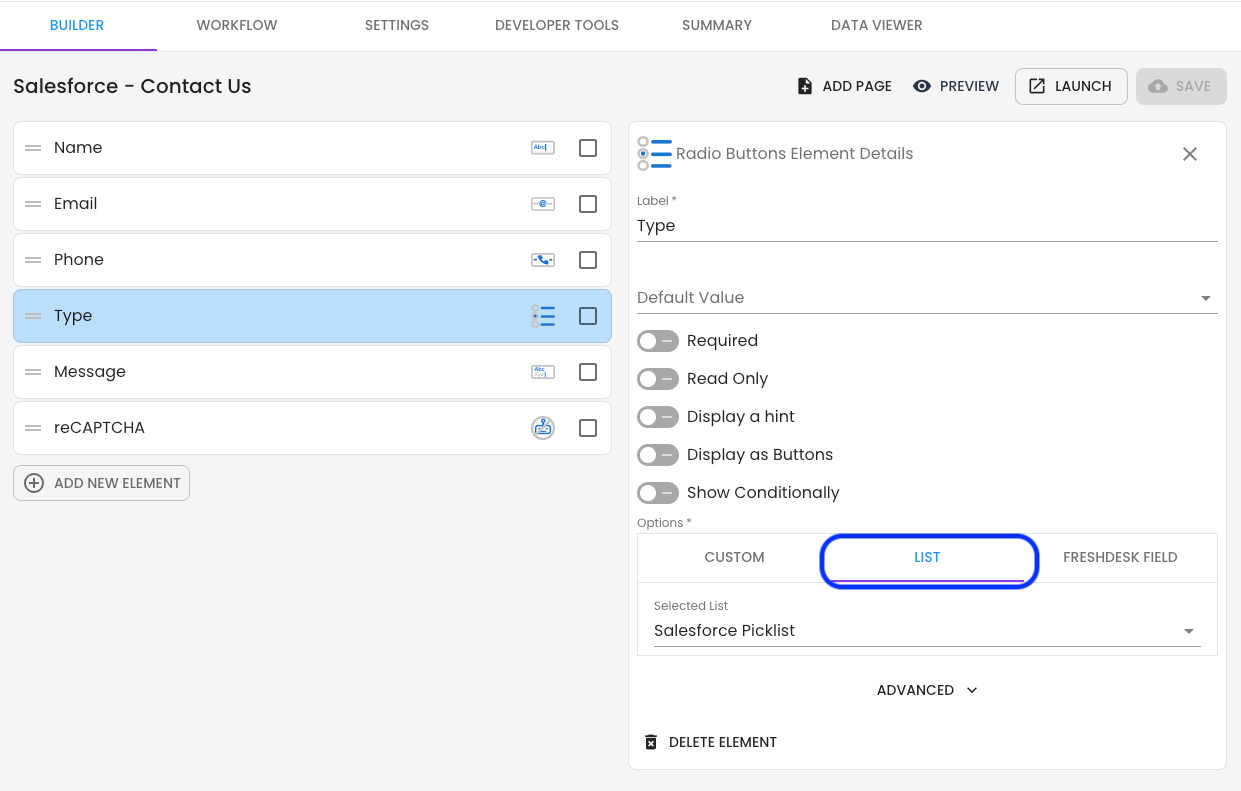
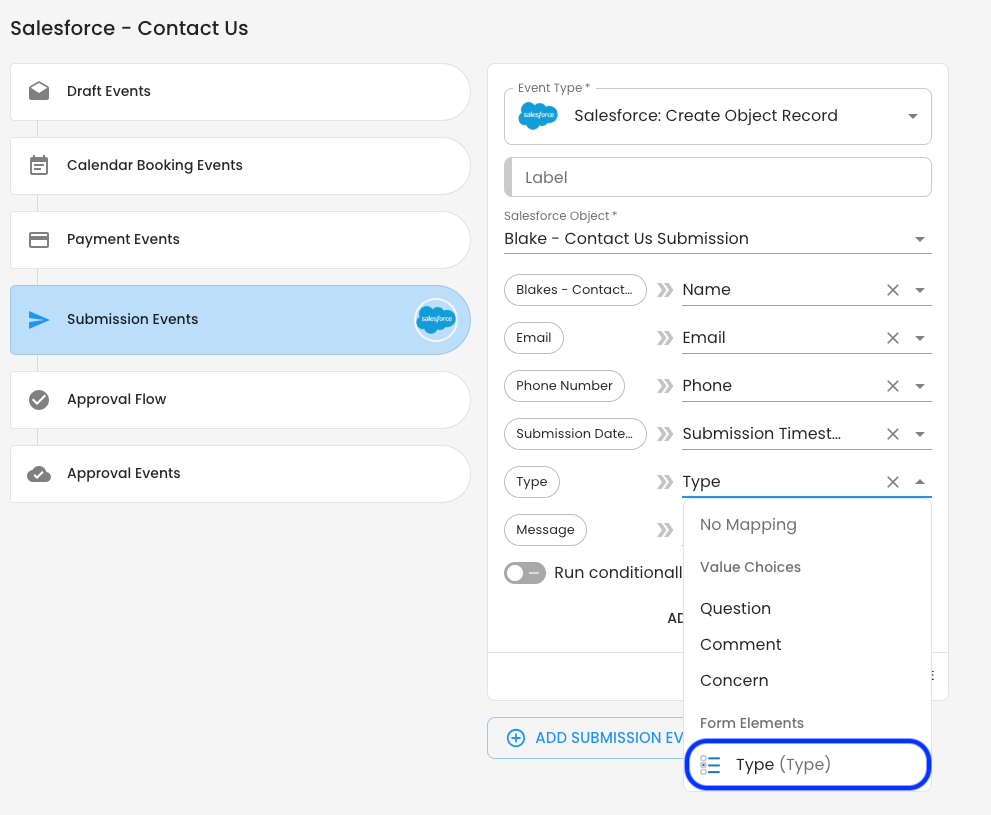
Once the Salesforce list is configured, it will work like any other list. You can assign it to user-select elements in the form and map the form element to your picklist field in the Salesforce: Create Object Record workflow event.
Getting Help
If you need any assistance with Lists, please reach out through the Report Issue menu or email support@oneblink.io.
Was this article helpful?
That’s Great!
Thank you for your feedback
Sorry! We couldn't be helpful
Thank you for your feedback
Feedback sent
We appreciate your effort and will try to fix the article